Kishan Manufacturing
Bangladesh
Factory and manufacturing operations focused on quality production, efficiency, and dependable service.
- Bra Hook & Eye
- Ring & Slider
Key Compliance Areas
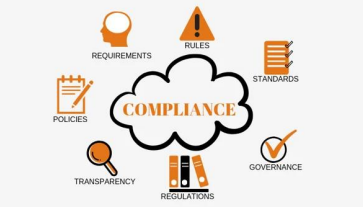
KISHAN accessories Ltd adhere to various compliance standards, encompassing social, environmental, and product-related requirements. These standards ensure ethical labor practices, safe working conditions, and quality products, often aligning with both local and international benchmarks. According to BGAPMEA, compliance covers aspects like fair labor practices, working conditions, health and safety, and environmental responsibility.
Social Compliance:
Labor Standards: Ensuring fair wages, reasonable working hours, and adherence to labor laws.
Health and Safety: Providing a safe and healthy work environment for all employees.
Freedom of Association: Allowing workers to form or join trade unions and engage in collective bargaining.
No Child Labor: Prohibiting the employment of individuals below the legal working age.
Anti-Discrimination: Ensuring equal opportunities and treatment for all employees, regardless of gender, religion, or other factors.
Environmental Compliance:
Waste Management: Implementing proper procedures for waste disposal and minimizing environmental impact.
Resource Management: Utilizing resources efficiently and sustainably.
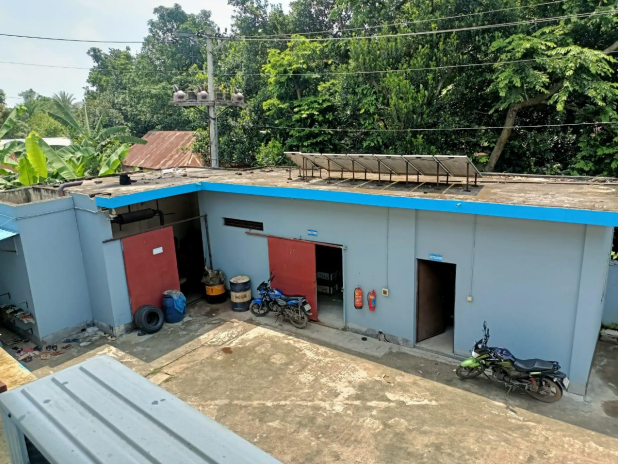
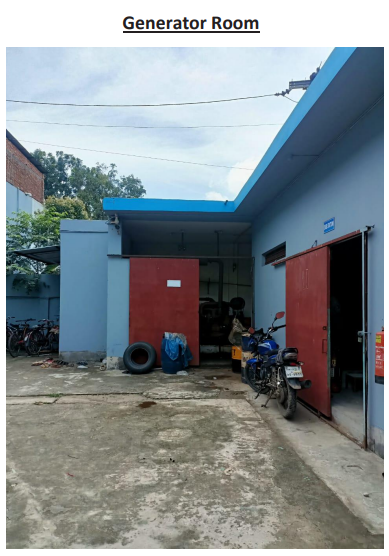
Pollution Control: Taking measures to prevent and control pollution from factory operations. We use solar panel for energy saving.
Product Compliance:
Quality Standards: Meeting specified quality requirements for materials and finished products.
Testing and Certification: Ensuring products undergo necessary testing and
certification to meet safety and performance standards.
Labeling and Packaging: Complying with labeling and packaging regulations to provide accurate product information for Delivery.
Relevant Organizations and Certifications: BGAPMEA (Bangladesh Garments Accessories & Packaging Manufacturers & Exporters Association): We are maintaining association rules and compliance and best practices.
Quality Assurance
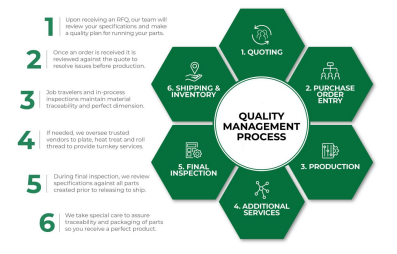
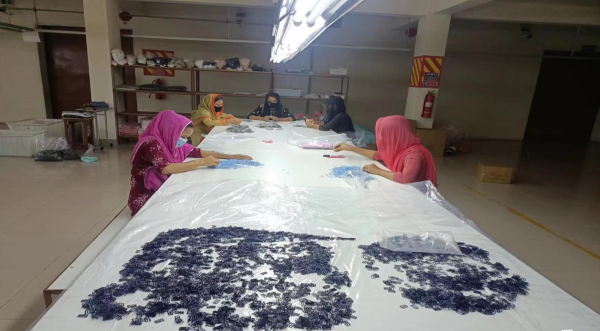
100% Quality checking process in KISHAN accessories ltd company typically involves multiple stages, from initial received PO to final product delivery, to ensure products meet specified standards and customer expectations and test Parameter. This includes defining quality standards, implementing quality control measures throughout production, and conducting inspections to identify and address any defects.
Planning and Standardization:
Defining Quality Standards: The company establishes specific quality standards based on customer requirements, industry regulations, and internal benchmarks. These standards cover various aspects like material specifications, dimensions, color, and functionality.
Developing a Quality Assurance Plan: A comprehensive plan outlines the procedures, responsibilities, and timelines for maintaining quality throughout the production cycle.
Supplier Selection and Management:
KISHAN Accessories Ltd carefully selects suppliers and implements measures to ensure they consistently deliver materials that meet the defined standards and OekoTex certified.
Production Process:
Raw Material Inspection: Rigorous checks are performed on raw materials to verify their quality and compliance with specifications before they are used in production. KISHAN Accessories Ltd always purchase raw material from OekoTex certified company.
Inline Inspections: Regular inspections are conducted during the manufacturing process to identify and correct any defects early on. This might include checking the quality of stitching, printing, or other processes.
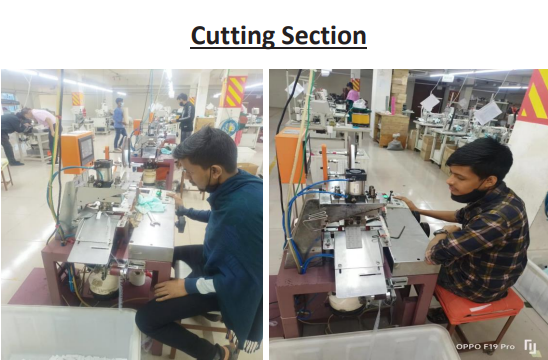
Process Control: The company implements measures to control the production process, ensuring consistency and minimizing the potential for errors.
Equipment Calibration and Maintenance: Ensuring that all equipment is properly calibrated and maintained is crucial for accurate and consistent production.
Final Inspection and Testing:
Pre-shipment Inspection: A final inspection is conducted before the products are shipped to ensure they meet all quality standards. This often includes checking for defects, verifying dimensions and functionality, and assessing packaging.
Testing: Products may undergo various tests to assess their performance, durability, and other relevant characteristics.
Defect Categorization: Defects are typically categorized as critical, major, or minor, and the acceptable number of each type is defined.
Continuous Improvement:
Feedback Mechanisms: The company gathers feedback from customers and internal teams to identify areas for improvement.
Process Improvement: Based on feedback and inspection results, the company makes necessary adjustments to its processes to enhance quality.
Training and Development: Employees are trained on quality control procedures and best practices to ensure a culture of quality within the organization.
Key Elements of a Successful QA Process:
Clear Roles and Responsibilities: Everyone involved in the production process understands their role in maintaining quality.
Documentation: Detailed records of inspections, tests, and any corrective actions taken are maintained.
Use of Appropriate Tools and Technologies: The company utilizes tools and technologies to support quality control and data
collection.
Commitment to Continuous Improvement: A culture of continuous improvement is essential for ongoing quality enhancement.
QC Check
Saving Energy Solar Panel